














Words by C. Paicely

We go to the Arabs for our liquor. Mexicans cut our grass. The Indians sell us doughnuts. The Jews loan us cash. The Egyptians do our hair. Chinese do our nails. The government gives us dope, then Whitey throws us in jail.

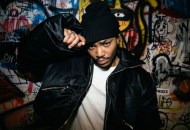
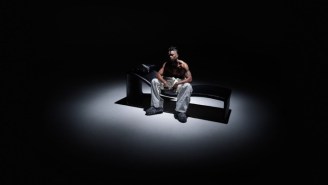
Mikkey Halsted is a name some of us have heard floating around since there was a Cash Money Records to speak of. If you know him, it is as a skilled lyricist, social commentator, and impressive storyteller. If not, The Dark Room serves as an apt introduction. Opening up without music as Mikkey picks apart every level of oppression he’s experienced, properly introducing the bleak enclosure the album plans to be. Halsted attempts to be our enlightened friend, willing to pull us out of Plato’s cave and show us what the real world looks like.

In “Talk Thru Me,” Mikkey teaches us the lessons he learned from his fallen friends and inspirations, but never quite hits his lyrical stride on the track. He must’ve been saving the heat for “Niggas Just Complain,” an emotional head-banger full of piano-key plucking and racial inequity. Halsted maintains this anger throughout most of the album, peaking on “Respect Mine,” a track fueled by frustration at those that would begrudge the Chi-town veteran a late entry into the upper echelon.

On routine, the production on The Dark Room often straddles the fence between nothing special and lackluster. Even with beats from No I.D. sprinkled throughout the effort, we get largely forgettable sound beds, with the most catchy head-nodder being the album’s early single, “The Exorcist.” Many of the tracks, such as “Soul of a Gangsta,” have a subdued and generic feel to the production, a flaw to be expected from a young up-and-comer, but not a Chi-town vet like Mikkey.

The Dark Room is 21-tracks long, and it feels like it. Interludes ripped from Cooley High, Syl Johnson and even the Bible aren’t necessary at every turn, especially when the tracks that follow them can stand on their own. On the other hand, Mikkey deserves props for using Chicago poet Awthentic to usher in “Frozen,” as her words transition seamlessly into his earnest story of a woman’s pain. So not all the skits are unneeded. There are also a couple of filler songs, such as “Hustlaz Need Love 2” and “Get Money” that really add nothing but minutes to the album. Bottom-line, TDR should have been about 16 solid tracks at the most.

Halsted clearly fancy’s himself a poet as much as a rapper, having released two a capella videos breaking down his own role in the big machine. The Dark Room is riddled with layers of vivid narratives, all just waiting to be dissected and interpreted for their artistic value. Beautifully crafted poetry saturates the album and envelopes the listener more than most of the LPs of the present day, but it isn’t enough. The album needed to shed dead skin and pick up some live beats before it got to our ears.

Full of witty wordplay and societal ponderings, The Dark Room is endearing in its insightfulness. Still, a marathon length along with lapses in production overshadow Mikkey Halsted’s brilliance, which is a damn shame.