








Words By Jesse H.

Contra™’s last post on Busta’s “Arab Money” political correctness fiasco inspired a firestorm of healthy political debate in the comments.

Now, before I go any further, I respect Contra™’s writing talent, beliefs and insight into Hip Hop culture to the utmost degree, so I don’t want to see anyone talking about no in-crew TSS disagreement. We all have our own individual opinions and beliefs and should respect them accordingly. That’s part of what makes this site work so well.

Where Contra™ is absolutely right is what makes the song offensive is its failure to make a point with its insulting language. It’s not the language that makes this song terrible, it’s the lack of making a point with its inflammatory remarks.

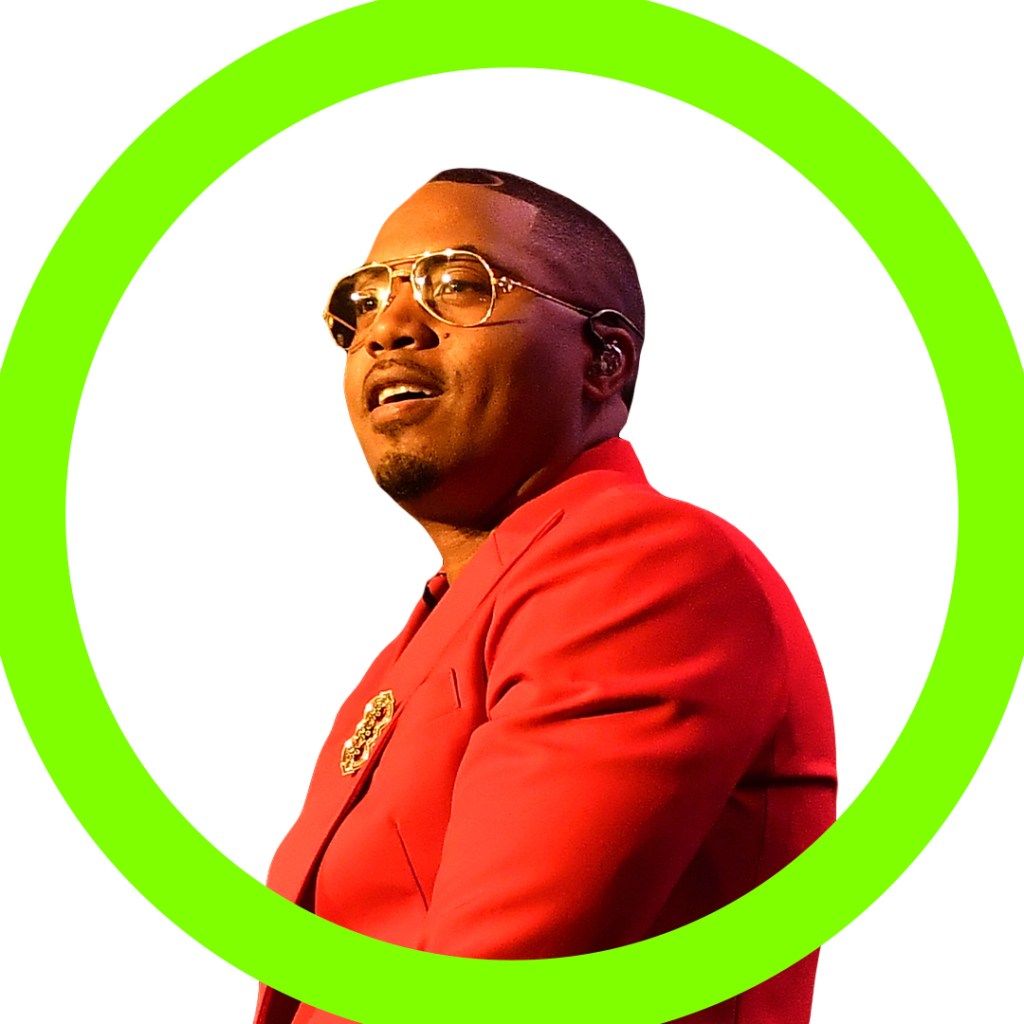
The point I’m trying to make though, is that the creation of moral guidelines should be left with the listening public. There can’t be moral guidelines in art, or art won’t work. Hip-Hop too, which was founded on the embracing of controversy, can’t allow the construction of lines that can or can’t be crossed. This is a conflict that has ties to the Imus controversy and the use of the “N” word, which two of Hip Hop’s best artists turned into controversial yet vitally important works of art. Nas created one of the year’s best mixtapes and albums, speaking very thoughtfully on the use of the “N” word and why it can’t be discarded.

On the other hand, Jay-Z masterfully wove immense bouts of obscenity to make one of the best political Hip-Hop songs ever with last years “Ignorant Shit.” Yelling the chorus in public shouldn’t be attempted unless you’re looking for a free ass-kicking, but in the context of a Hip-Hop song, it makes a valid point about the necessity of obscenity and free speech in music. Again, individuals need to be the judges of whether they choose to recognize the point or ignore it, and if enough people found “Ignorant Shit” offensive, or “Bitches and Sisters” for that matter, Jay-Z wouldn’t have the flourishing success he continues to enjoy.

South Park is another example of using controversial remarks to make important statements. Here are two of television’s best writers, who are White, yet have used the “N” word in numerous episodes. South Park is not necessarily condemned by the Hip-Hop culture (Redman shouted out Kenny on a Blackout! track,) Is two white writers using the “N” word offensive? Yes, to most. Should their artistic statement be ignored? That should be left up to the viewer. The show courageously didn’t back down when Isaac Hayes quit the cast following the infamous “Trapped In the Closet” episode that lampooned Scientology.

The creators understand that the minute they mark one religion as unsafe territory to satirize, they are granting unequal weight to one religion, and that’s not fair to the rest of the religions that they have deemed fit to satirize. Because it is an all or nothing process; it is the responsibility of the artists to make sure when using inflammatory statements that they don’t look completely ignorant, and a responsibility of the audience to decide whether or not the artists succeed in delivering an effective message while dealing with a controversial subject.

In the same manner, the minute that constructs are put on what rappers can or can’t say, we doom ourselves to a future of restricted Hip-Hop. If one word is not okay because it offends a large portion of listeners, what makes another portion of listener’s gripes with another word any less unfounded? Busta’s ignorance needs to have the right to exist, but we have to be smart enough to ignore it for what it is: a vapid attempt at a club track that does nothing with a controversial subject, and ignorant songs like “Arab Money” will go away.

But in the mean time…

Busta Rhymes Feat. Ron Browz, Spliff Star, Rick Ross, N.O.R.E., Red Café & Reek Da Villian – Arab Money (Remix Pt. 2)

Bonus — Peter Rosenberg Round Table: Is Arab Money Offensive?

Previously Posted – “Make ‘Em Sing The Hook In Arabic” | El Khara Dah? | Busta Rhymes Feat. Ron Browz – “Arab Money” Video